
Discover the most vibrant
Worldwide March Celebrations from the colorful Holi festival to the spirited St. Patrick’s Day parades
Explore unique traditions, historical significance, and how different countries celebrate these global festivities.

Explore unique traditions, historical significance, and how different countries celebrate these global festivities.
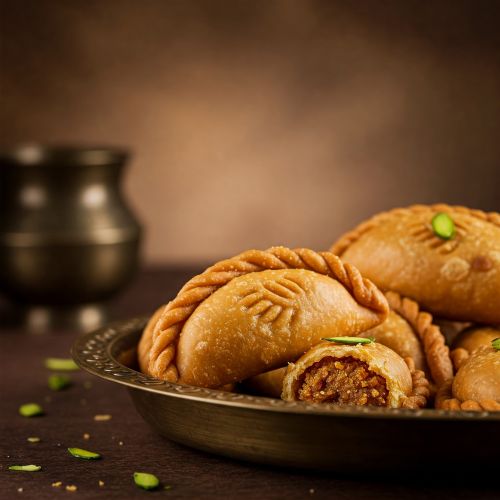
Holi, the Festival of Colors, is one of the most vibrant and joyous festivals celebrated in March across India and beyond. Alongside the playful splashes of colored powders and festive gatherings, Gujiya, a traditional Indian sweet pastry, holds a special place in the celebrations. This deep-fried, crescent-shaped treat is filled with a rich mixture of khoya (milk solids), nuts, coconut, and sugar, making it an irresistible delight enjoyed by all.
1. Symbol of Celebration and Joy
Gujiya is more than just a dessert—it symbolizes the sweetness of life, togetherness, and tradition. Just as Holi signifies the victory of good over evil, Gujiya represents the joy and prosperity of the festival.
2. Traditional Offering
In many Indian households, Gujiya is prepared as a prasad (holy offering) and distributed to family, friends, and neighbors. This practice strengthens community bonds and adds to the spirit of Holi.
3. Family Tradition
Making Gujiya is often a family affair, where multiple generations come together to prepare, stuff, and fry these sweet pastries. This shared activity enhances the sense of unity and festive spirit.
4. Festive Flavors and Indulgence
The delicious filling of khoya, dry fruits, coconut, and sugar, encased in a crisp outer shell, makes Gujiya a rich and festive indulgence. It is often paired with Thandai, a traditional Holi drink infused with saffron, almonds, and spices.
Prepared in Homes: Families start making and frying Gujiya days before Holi.
Shared Among Friends & Neighbors: Exchanging Gujiya as a festive gift enhances social bonds.
Served at Holi Gatherings: Alongside other traditional snacks and drinks, Gujiya is a Holi essential.
Ingredients:
For the Dough:
- 2 cups all-purpose flour (maida)
- 4 tbsp ghee (clarified butter)
- ½ cup water (as needed for kneading)
For the Filling:
- 1 cup khoya (milk solids), crumbled
- ½ cup powdered sugar
- ¼ cup chopped dry fruits (almonds, cashews, raisins)
- ¼ cup desiccated coconut
- ½ tsp cardamom powder
For Frying:
- Ghee or oil, as needed
Instructions:
1. Prepare the Dough: In a bowl, mix flour and ghee until the texture is crumbly. Gradually add water and knead into a stiff dough. Cover and let it rest for 30 minutes.
2. Prepare the Filling: In a pan, roast khoya on low heat until it turns slightly golden. Remove from heat, let it cool, and mix with powdered sugar, dry fruits, coconut, and cardamom powder.
3. Shape the Gujiyas: Roll out small dough circles, place a spoonful of filling in the center, fold into a crescent shape, and seal the edges using water or a fork.
4. Fry the Gujiyas: Heat ghee or oil in a deep pan. Fry the Gujiyas on medium heat until golden brown. Drain excess oil on paper towels.
5. Serve and Enjoy: Let the Gujiyas cool slightly before serving. Store in an airtight container for later enjoyment.
Gujiya is not just a sweet treat; it is a symbol of celebration, tradition, and festivity during Holi. Whether made at home or bought from a local sweet shop, this delicious pastry continues to be an integral part of the Holi experience. As you celebrate the colors of Holi this March, don’t forget to indulge in the irresistible taste of Gujiya!
When making Gujiya, several kitchen tools are commonly used to ensure the perfect shape, texture, and flavor. Here are the essential tools:
1. Mixing Bowl – For kneading the dough and preparing the filling.
2. Rolling Pin (Belan) and Board (Chakla) – To roll out the dough into thin circles.
3. Gujiya Mold (Optional) – A special mold helps shape and seal the Gujiya evenly.
4. Fork or Hand Press – Used to seal the edges if a mold is not available.
5. Deep Frying Pan (Kadhai or Wok) – For frying the Gujiya in hot oil or ghee.
6. Slotted Spoon – To remove excess oil while taking Gujiya out of the frying pan.
7. Measuring Cups and Spoons – To measure ingredients accurately.
8. Spatula or Wooden Spoon – For stirring the khoya filling while cooking.
9. Strainer or Paper Towels – To drain excess oil after frying.
Click the link https://temu.to/k/uodvenfap5t and get $100 coupon bundle!

Uncover incredible deals and embrace a seamless shopping spree on Temu! 😊
👉 item link: https://temu.to/k/u9fuz3c0m8w
Home Electric Dumpling Wrapping Machine, Mold Can Wrap 1500 Dumplings When Fully Charged, Used in Kitchen to Make Dumplings

As environmental awareness continues to grow in 2025, many global celebrations are shifting towards sustainable and eco-friendly practices.
Read More