Here’s a look at how different cultures around the globe ring in the New Year, contrasting their unique traditions and exploring the deeper meanings behind them.
1. The Spectacle of Fireworks: A Global Tradition)
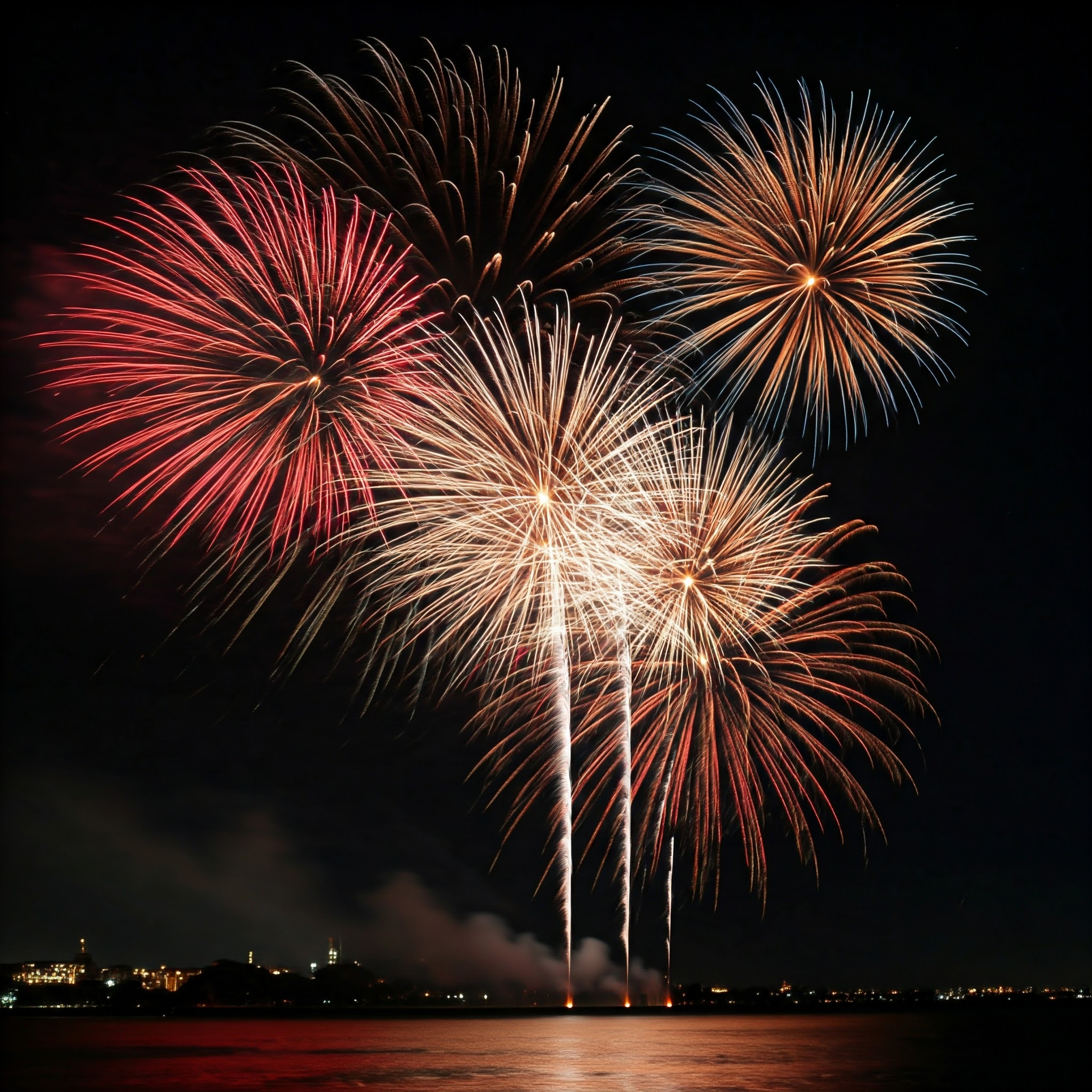
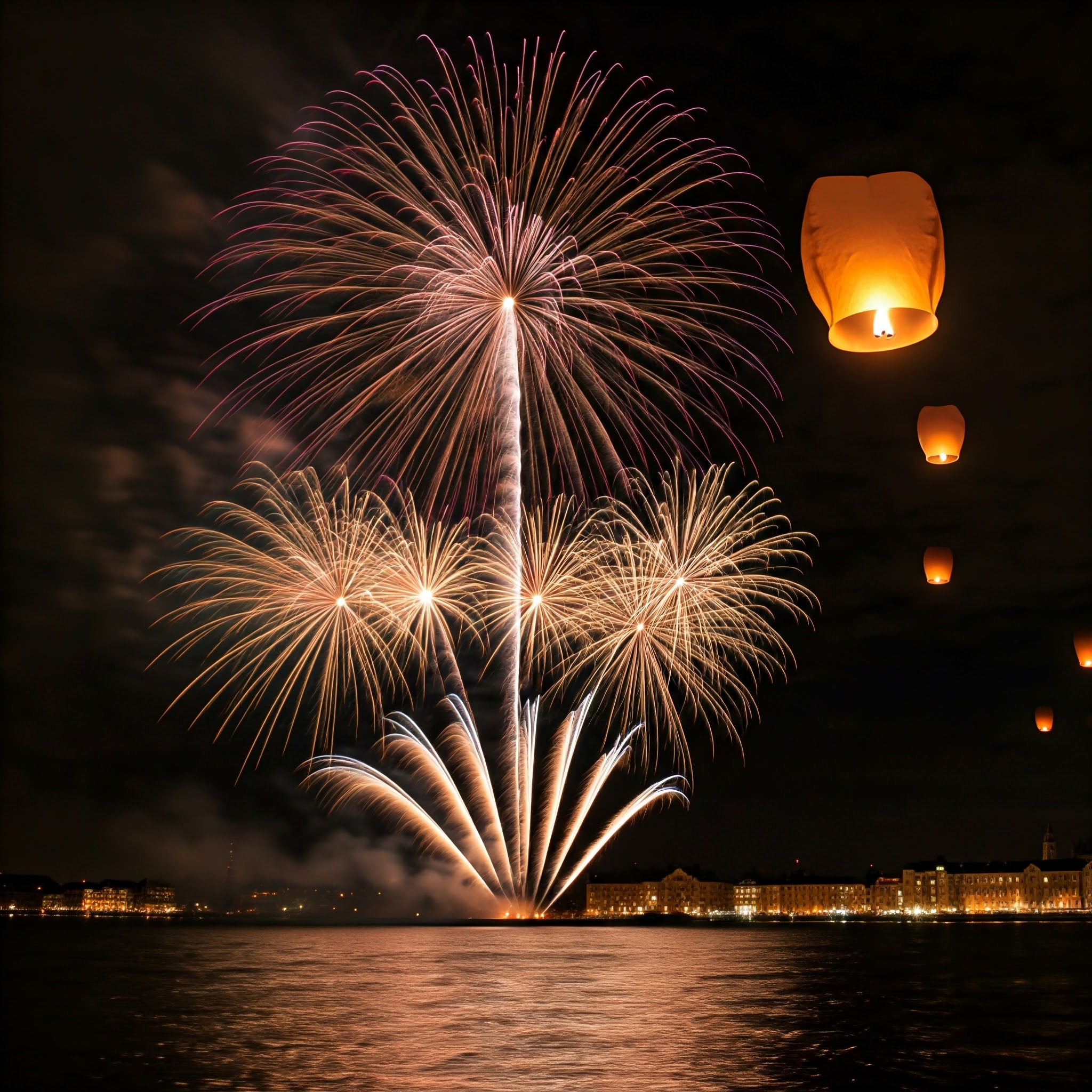
Across the globe, fireworks are an iconic part of New Year celebrations. The brilliant flashes of color symbolize the casting away of the old and the welcoming of the new, signifying a fresh start.
a. Australia is famous for its extravagant fireworks displays over the Sydney Harbour, drawing millions of spectators each year. The pyrotechnics are seen as a way to celebrate the nation’s growth and unity, with the harbour’s fireworks often synchronized to music.
b. China also incorporates fireworks as a central part of the Chinese New Year (which typically falls later in the year, but is deeply tied to New Year's traditions). Firecrackers are believed to ward off evil spirits, making the loud bangs symbolic of driving away misfortune and ushering in a prosperous new year.
2. Midnight Feasts: A Toast to the Future
While fireworks mark the explosive moments of the New Year, feasts bring warmth, family, and a sense of togetherness. In many cultures, the New Year is ushered in with a hearty meal meant to foster good luck and prosperity for the coming year.
a. Spain, revelers eat 12 grapes at midnight—one for each stroke of the clock. The grapes symbolize the 12 months of the year, and eating them is believed to bring good luck. It’s a tradition that combines merriment with a focus on prosperity.
b. In Greece, New Year’s Day is tied to Saint Basil’s Day, and families celebrate with a special cake called Vasilopita. A coin is hidden in the cake, and the person who finds it is blessed with good fortune for the year. This tradition ties the New Year to both faith and family, blending religious significance with a sense of community.
3. Reflective Rituals and Symbolic Acts
In addition to parties and feasts, some cultures use the New Year as an opportunity for reflection, renewal, and even some symbolic acts that set the tone for the year ahead.
a. Japan’s New Year (Shogatsu) is marked by reverence and purification. Many families perform the ritual of cleaning their homes, both physically and spiritually, in preparation for the new year. People also visit temples to pray for health, prosperity, and happiness. This emphasis on renewal and purification reflects the deep cultural connection to purity and spiritual growth in Japanese society.
b. In Denmark, the tradition involves smashing old dishes against the doors of friends and family. The act is thought to bring good luck and drive away bad spirits, symbolizing a clean slate. It’s a cheerful, if slightly chaotic, way of turning the page on the past.
4. Unique and Regional Traditions
Different countries have their own regional variations and unique celebrations that provide deeper insight into their respective cultures.
a. Scotland celebrates Hogmanay, a robust New Year’s tradition with roots in ancient Celtic and Viking customs. The most famous part of the celebration is the “first-footing” ritual, where the first person to enter a home after midnight brings gifts, often including coal, shortbread, and whisky. The first-footer is expected to bring good luck, and the gifts symbolize warmth, nourishment, and prosperity.
b. In Ecuador, it is common for people to make large effigies known as “Año Viejos” (Old Year). These life-sized figures are often made of papier-mâché and represent the year gone by. As midnight approaches, they are set on fire to symbolize the destruction of the old and the arrival of the new. This fiery ritual reflects the culture’s desire to let go of past grievances and misfortunes.
5. A Spiritual Start in the Philippines
For many in the Philippines, New Year's Eve is a mix of spiritual and celebratory acts. Many families engage in rituals designed to bring abundance, such as filling their tables with round fruits—symbolizing prosperity—and making noise to scare off evil spirits. The practice of jumping at midnight is said to help children grow taller, a quirky yet endearing tradition that connects the celebration to both material wealth and personal growth.
6. The Symbolism of Colors: Fashion and Meaning
In some cultures, the colors worn on New Year’s Eve are steeped in symbolism, representing the hopes and aspirations for the coming year.
a. In Brazil, many people wear white clothing for the New Year as a symbol of peace, purity, and renewal. It’s common for people to celebrate by gathering on the beaches, offering flowers and gifts to Yemanjá, the goddess of the sea, hoping for blessings of good health and fortune.
b. In Colombia, wearing yellow, green, and red is thought to invite good fortune, health, and love. Many also practice the tradition of carrying an empty suitcase around the block to attract travel opportunities in the new year.
7. Good Luck Charms and Fortune Telling
In addition to specific customs, many countries incorporate charms or acts of fortune-telling into their New Year traditions, seeking guidance and hope for what lies ahead.
a. Russia has a fascinating New Year's tradition of writing a wish on a piece of paper, burning it, and then drinking the ashes mixed with champagne before the clock strikes midnight. It’s believed that this process helps make the wish come true.
b. In Italy, many people throw old items out of their windows to symbolize the discarding of the old year’s baggage. This tradition is meant to bring new energy into one’s life, clearing space for positive changes and growth.
From fireworks to feasts, from quiet moments of reflection to loud celebrations, the ways in which cultures ring in the New Year are as diverse as they are meaningful. Whether it’s through vibrant displays of color, symbolic acts of renewal, or sharing meals with loved ones, these traditions are deeply rooted in the human desire to embrace a fresh start. While the customs may vary, the underlying themes of hope, renewal, and connection transcend borders, reminding us that, regardless of where we are, we all celebrate the possibility of a brighter tomorrow.