Discover More
The Role of Family in January Celebrations
Family is at the heart of nearly every celebration, and January’s festivals are no exception. The start of a new year
provides an opportunity to reconnect, reflect, and strengthen bonds with loved ones. Across the globe, families gather
to honor traditions, exchange gifts, and create memories. Whether it’s a large reunion or an intimate meal, these
moments are a testament to the enduring importance of family in cultural and spiritual practices.
Traditional Foods That Unite Generations
Food serves as a universal language of love and connection, often embodying the essence of a celebration. January’s
festivals showcase a diverse array of culinary delights, each dish carrying stories of heritage and unity. Here are some
highlights:
1. Chinese Lunar New Year Preparations - Although Lunar New Year typically falls in February, the preparations begin
in January. Families come together to make dumplings and sticky rice cakes as symbols of prosperity and
togetherness.
2. Epiphany in Europe - In countries like Spain and France, families celebrate with special pastries. Spain’s Roscón
de Reyes (King’s Cake) and France’s Galette des Rois are baked with hidden treasures inside, turning dessert into a
fun family tradition.
3. India’s Pongal Festival - This harvest festival, celebrated in South India, brings families together to cook and
share Pongal, a sweet rice dish prepared with jaggery, milk, and ghee, symbolizing abundance and gratitude.
Stories and Recipes from Around the World
Roscón de Reyes (Spain)
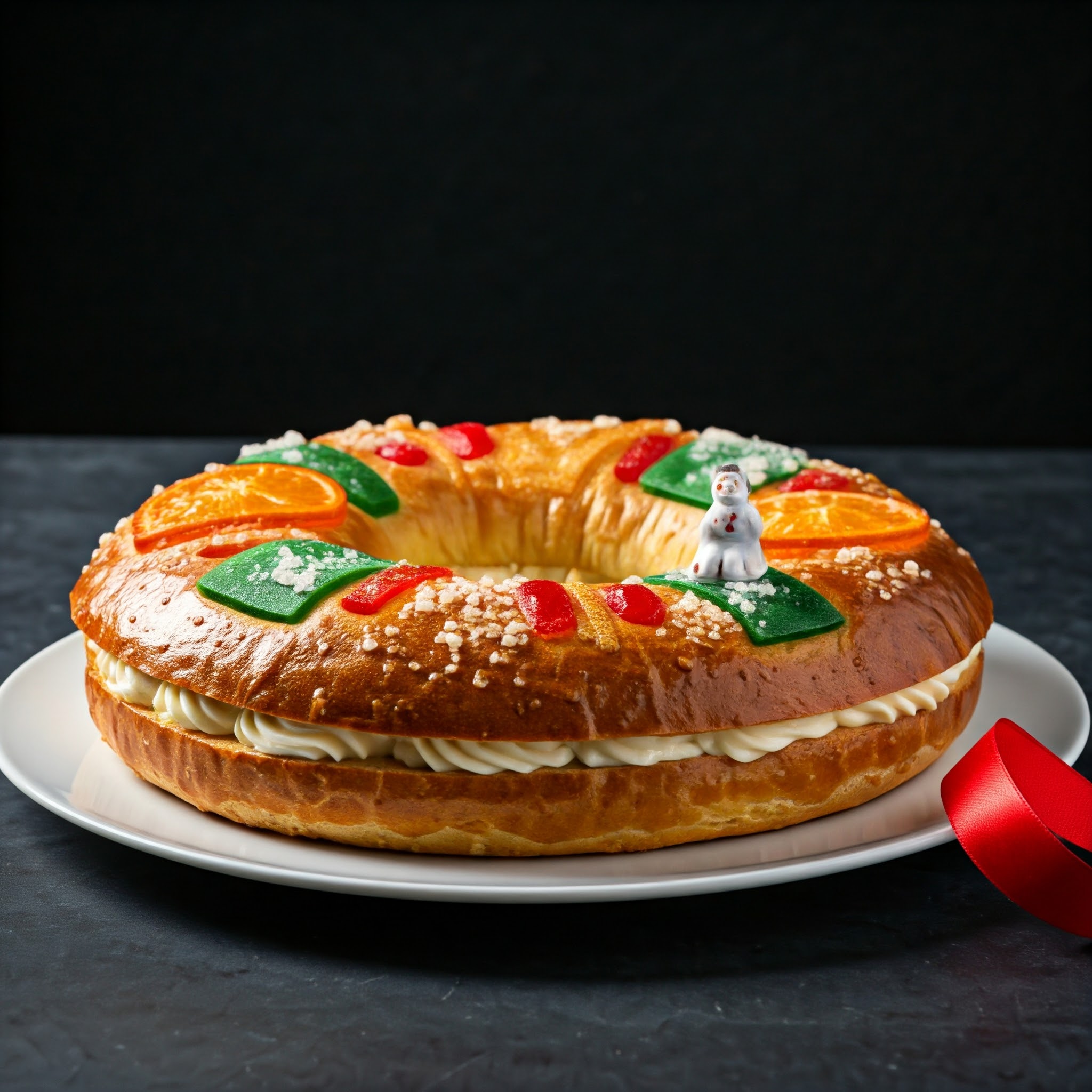
This traditional Spanish pastry, enjoyed on January 6th for Epiphany, is a symbol of the Magi’s journey. Decorated with
candied fruits and sometimes filled with cream, it’s a fun family tradition to discover who finds the hidden figurine
and crown.
Recipe
Ingredients:
- 4 cups of flour
- 2 tsp yeast
- 1/2 cup sugar
- 1/4 cup butter
- 2 eggs
- 1/2 cup milk
- Candied fruits
Instructions:
1. Mix yeast with warm milk and let sit for 10 minutes.
2. Combine flour, sugar, and butter in a bowl. Add the yeast mixture and eggs.
3. Knead into a dough and let rise for 1-2 hours.
4. Shape into a ring, decorate with candied fruits, and bake at 350°F (175°C) for 25-30 minutes.
Thai Khao Tom Mat
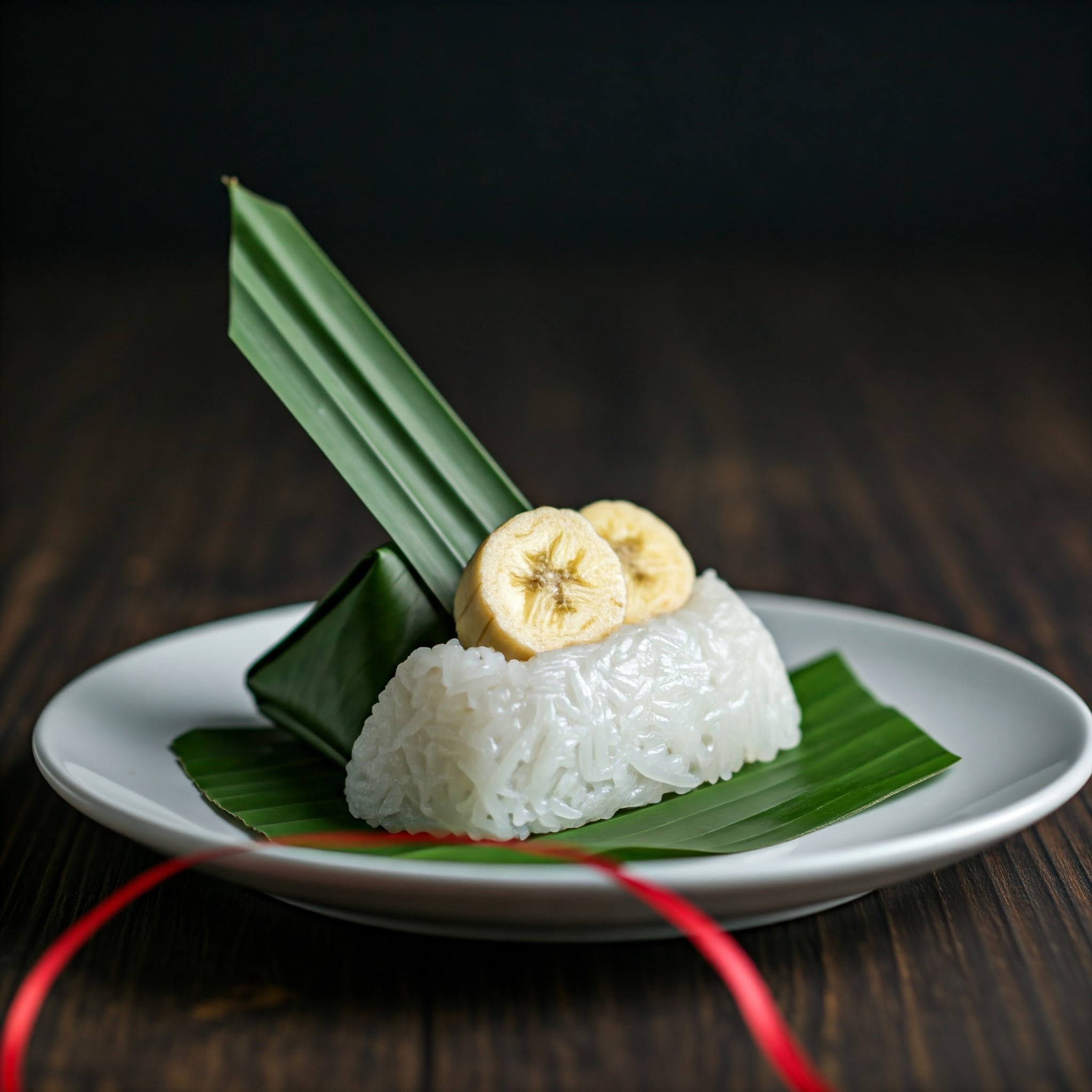
In Thailand, the New Year (Songkran) celebrations include sticky rice desserts wrapped in banana leaves, symbolizing
unity. Although traditionally celebrated in April, the festive spirit extends to January gatherings.
Recipe:
Ingredients:
- 2 cups sticky rice
- 1 cup coconut milk
- 1/2 cup sugar
- Banana slices
- Banana leaves
Instructions:
1. Soak sticky rice overnight.
2. Cook rice with coconut milk and sugar until tender.
3. Wrap the rice and banana slices in banana leaves and steam for 20 minutes.
Celebrating the Spirit of Togetherness
The stories and recipes shared during these celebrations are more than just culinary delights; they’re a way to pass
down traditions, keep cultures alive, and forge deeper connections within families. January’s festivals remind us of the
simple joys found in gathering around a table, sharing stories, and savoring meals prepared with love.
As we embrace the new year, let’s carry forward the spirit of family, food, and festivity, celebrating the bonds that
make life meaningful.