Discover More
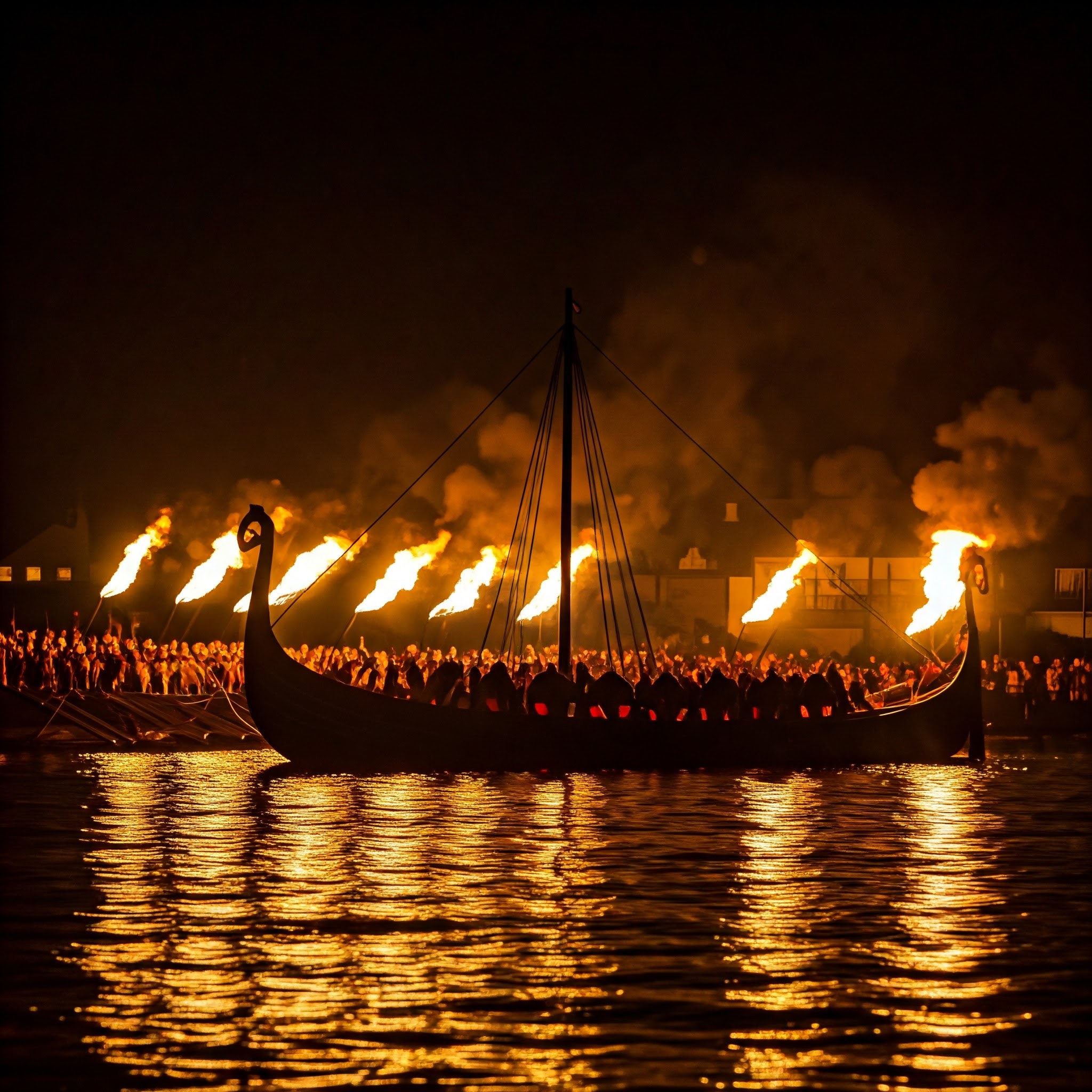
Up Helly Aa: A Fiery Tribute to Viking Heritage
1. Origins and Significance - Up Helly Aa, celebrated in the Shetland Islands, Scotland, dates back to the 19th
century. Rooted in Norse traditions, it originally marked the end of the Yule season and honored Viking heritage.
2. Historical Customs - The festival was once a modest affair, involving local gatherings and small processions. Over
time, it grew into a grand spectacle, featuring torch-lit parades, Viking-themed costumes, and the ceremonial burning of
a replica Viking ship.
3. Modern Adaptations - Today, Up Helly Aa is a community-wide event that attracts visitors from around the world.
While the festival retains its Norse-inspired themes, modern elements like music performances, workshops, and digital
broadcasts have expanded its appeal.
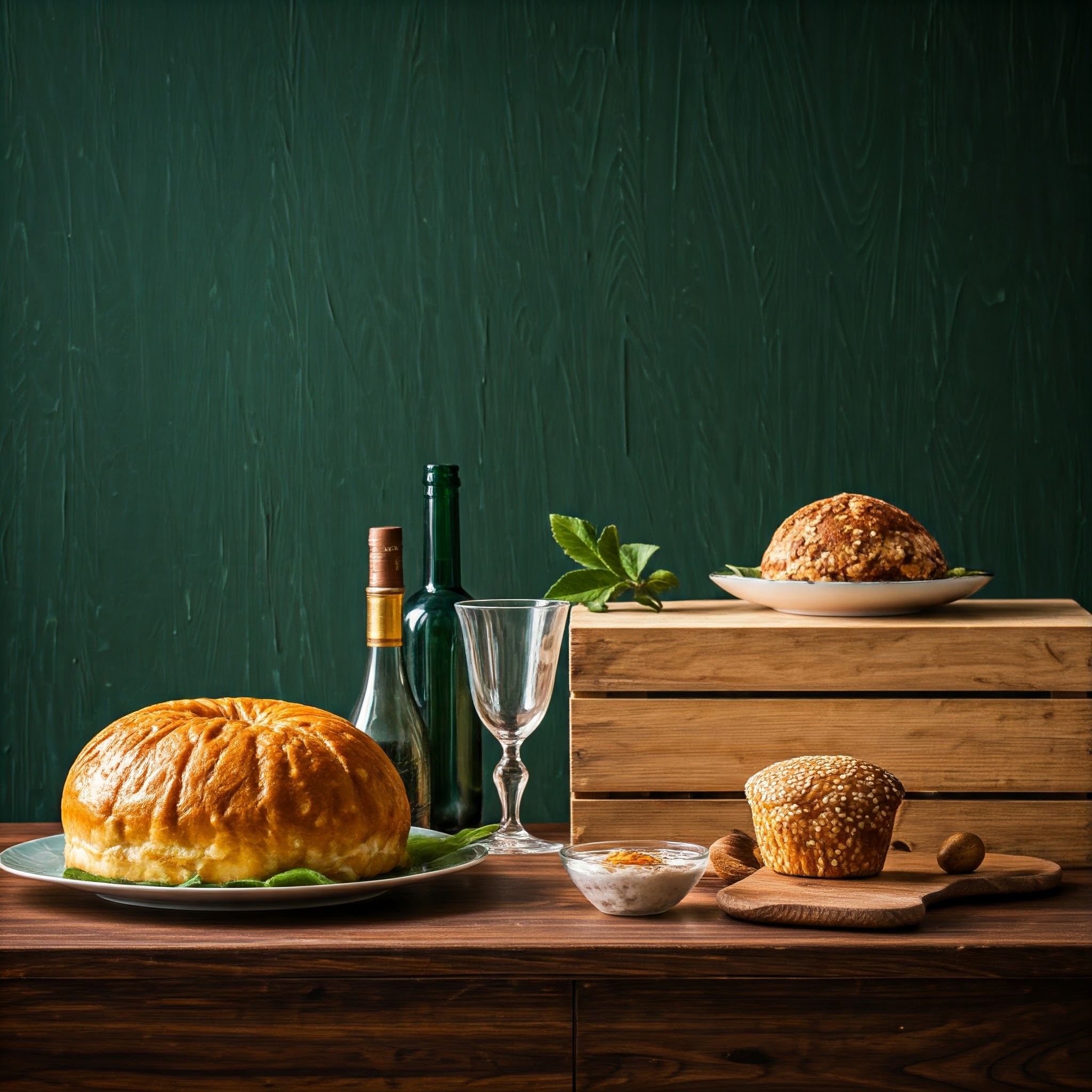
Burns Night: Honoring Scotland’s National Bard
1. Origins and Significance - Burns Night, held on January 25th, commemorates the life and works of Scottish poet Robert
Burns. It began in 1801, five years after his death, as a gathering among his close friends.
2. Historical Customs - Traditional Burns Suppers featured readings of Burns’ poetry, toasts, and the serving of
haggis—a dish immortalized in his poem “Address to a Haggis.” These intimate affairs often included bagpipe music and
recitations.
3. Modern Adaptations - While the core elements remain unchanged, Burns Night has grown into a global celebration. In
addition to formal dinners, casual events, poetry slams, and virtual gatherings now make it accessible to wider
audiences. Vegetarian and vegan versions of haggis have also emerged to accommodate modern dietary preferences.
The Role of Modern Society in Evolving Traditions
Both Up Helly Aa and Burns Night demonstrate how traditions adapt to contemporary contexts:
1. Increased Accessibility - Digital platforms and virtual events allow people worldwide to participate in these
celebrations, fostering global appreciation for local cultures.
2. Inclusivity - Modern iterations embrace diverse audiences, offering alternatives to traditional elements (e.g.,
plant-based haggis) and incorporating activities that appeal to younger generations.
3. Economic and Tourism Impact - These events now play significant roles in local economies, drawing tourists and
generating revenue through merchandise, performances, and hospitality services.
Balancing Tradition and Innovation
The evolution of January’s traditions highlights the delicate balance between preserving heritage and embracing change.
Festivals like Up Helly Aa and Burns Night continue to honor their origins while reflecting the values and dynamics of
the present day. This blend of history and modernity ensures their relevance for generations to come.
January’s evolving traditions, such as Up Helly Aa and Burns Night, exemplify how cultural celebrations can adapt over
time without losing their essence. By blending historical customs with contemporary practices, these festivals remain
vibrant and meaningful, connecting people to their roots while embracing the possibilities of the future.