6. Burns Night (Scotland)
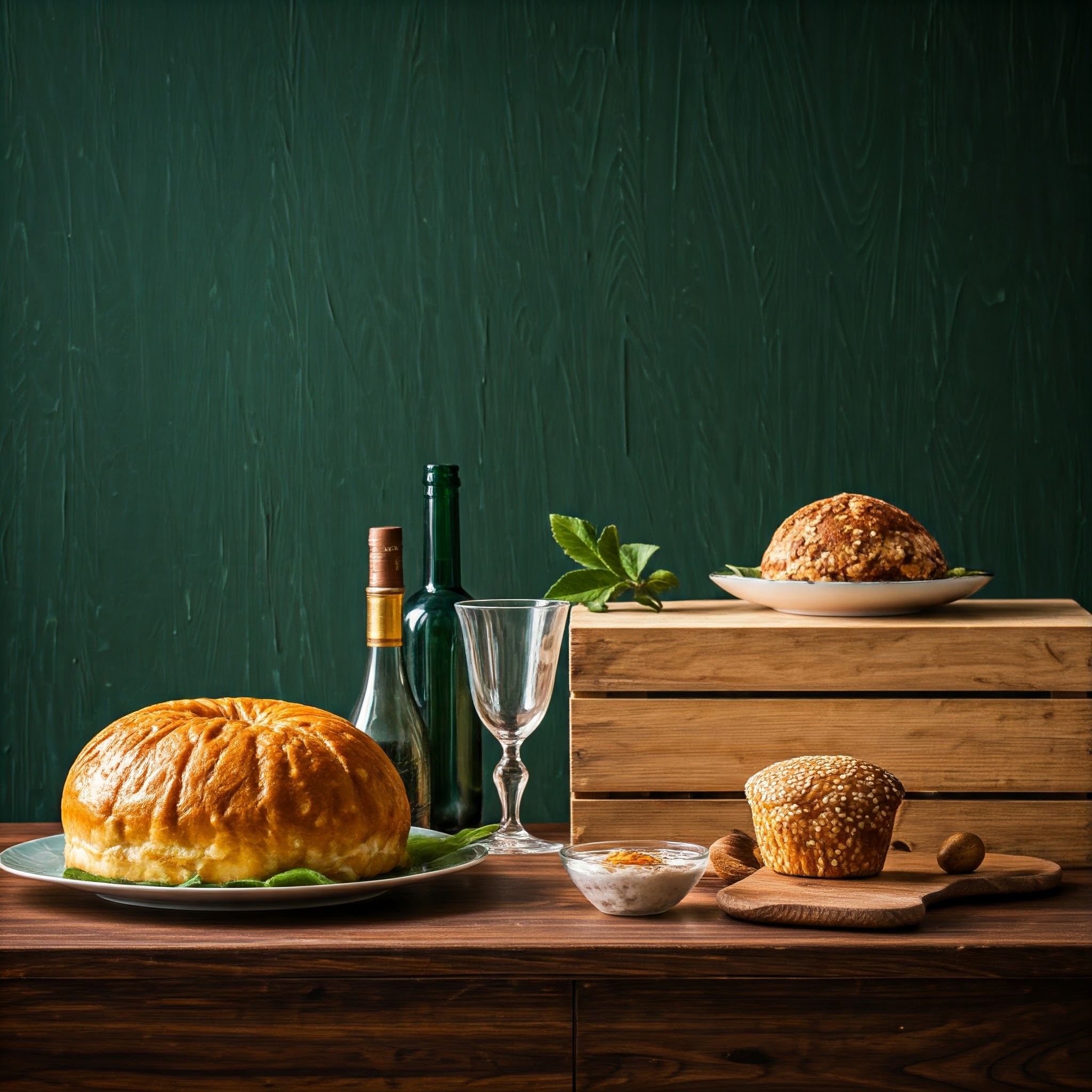
Scots honor their national poet, Robert Burns, on January 25th with Burns Night. This traditional celebration includes haggis, Scotch whisky, and recitations of Burns’ poetry. It’s a lively event filled with music, dance, and a sense of pride in Scottish heritage.
7. International Kite Festival (India)
Coinciding with Makar Sankranti, the International Kite Festival in Gujarat, India, is a vibrant spectacle. Thousands of colorful kites fill the sky, showcasing intricate designs and craftsmanship. Participants from around the world compete, making this festival a global attraction.
8. Tamaseseri Festival (Japan)
Held on January 3rd in Fukuoka, Japan, the Tamaseseri Festival is a unique and energetic event. Participants, clad in traditional fundoshi (loincloths), compete to grab a sacred wooden ball for good fortune. The festival’s intensity and camaraderie make it a thrilling start to the year.
9. Up Helly Aa (Scotland)
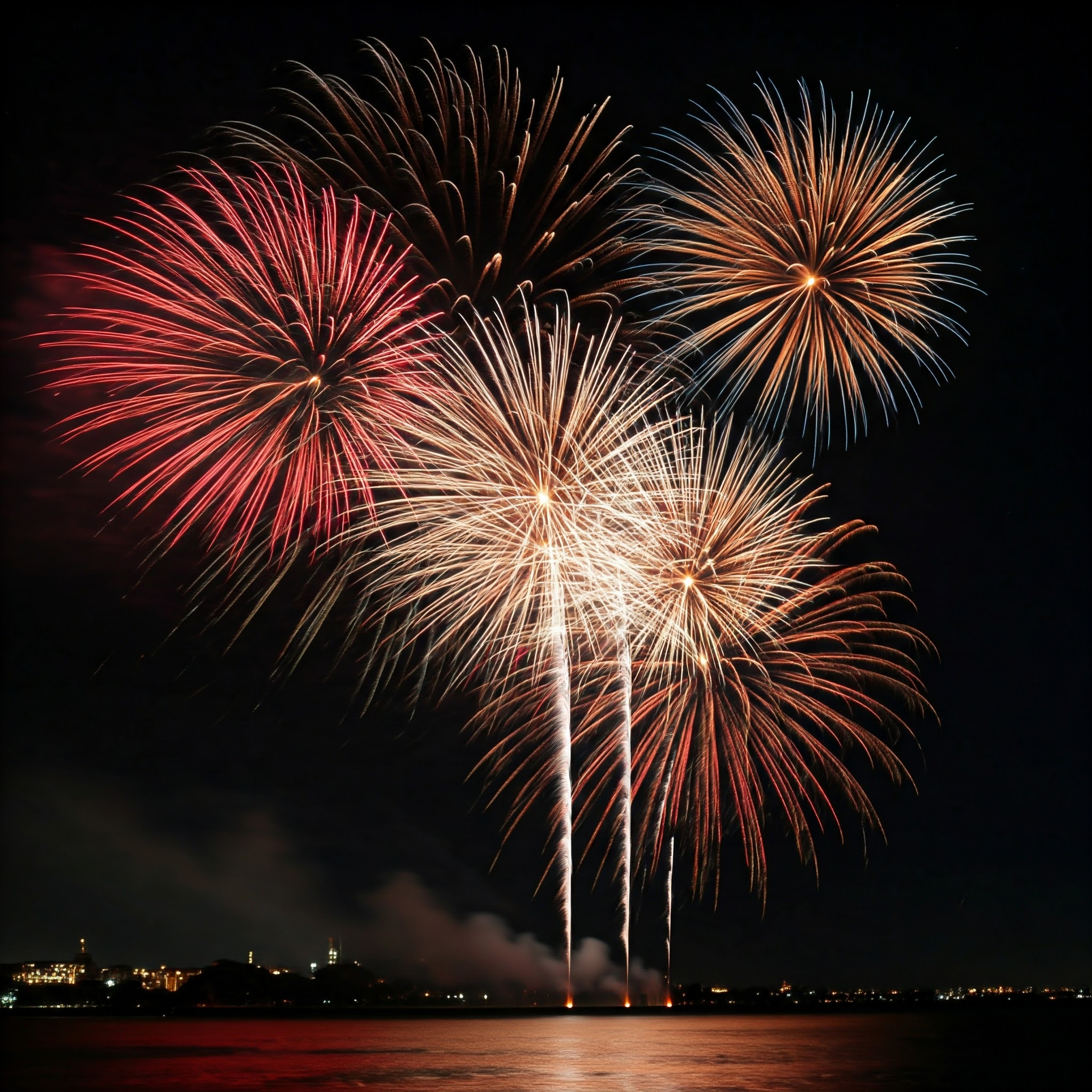
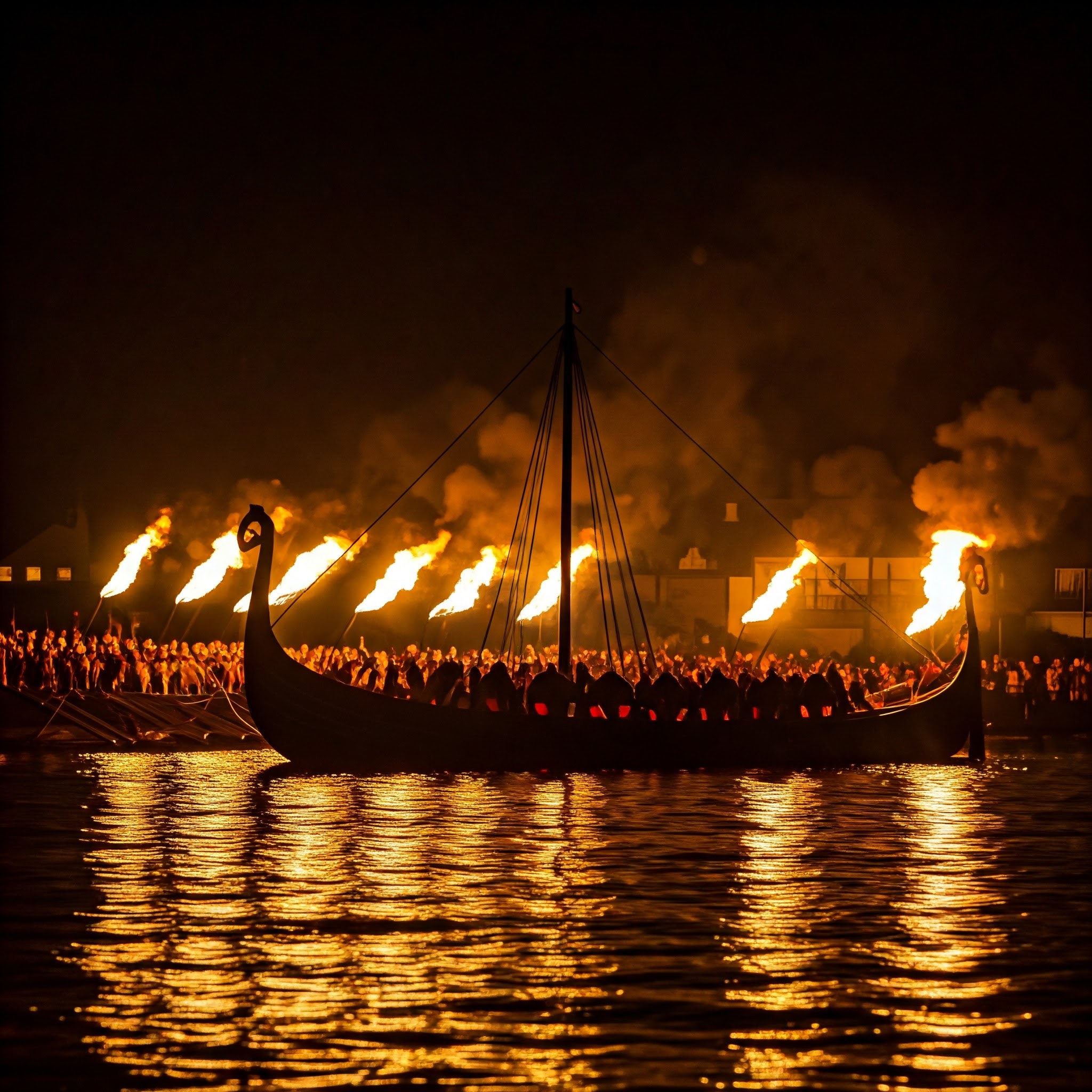
In the Shetland Islands of Scotland, Up Helly Aa takes place on the last Tuesday of January. This Viking-inspired fire festival features torchlit processions, the burning of a Viking longship, and celebrations that last late into the night. It’s a nod to the region’s Norse heritage and a spectacular sight to behold.
10. Carnaval de Negros y Blancos (Colombia)
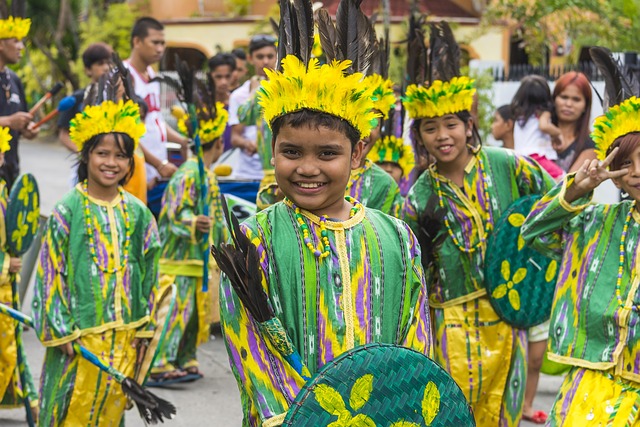
Kicking off in early January, this Colombian festival is a riot of color and cultural expression. The "Black and White Carnival" celebrates diversity and unity through parades, music, and dance. Participants paint their faces black on one day and white on the next, symbolizing harmony and equality.
The Spirit of January
January’s festivities reflect the universal themes of renewal, gratitude, and community. Whether it’s welcoming the new year, honoring cultural heritage, or giving thanks for life’s blessings, these celebrations remind us of our shared humanity and the joy of new beginnings. So, as you step into January, take a moment to appreciate the diversity and richness of these global traditions that make this month truly special.